Writing Your Online Fundraising Page
The key to a good online fundraising page is to make it personal! When people go onto your fundraising page, they are sponsoring you rather than Team Kenya (if they wanted to support us, they would donate to us directly), so your page should be about you.
You should aim to answer the following questions:
Why have you decided to fundraise?
You signed up to a challenge for a reason… Was it to have a personal aim to work towards? To reach a fitness goal? Because you’re passionate about girls’ empowerment? Because you’re friends with one of the Team Kenya staff?!
Why did you decide to fundraise for Team Kenya?
What is it about Team Kenya that appeals to you? Maybe you’ve suffered obstacles in your own life and want to help other people overcome the obstacles they face in their life. Perhaps you visited Ndhiwa and became really passionate about what you observed.
What are you doing to raise money?
Explain to people what you’re doing and why it will be a challenge for you. If you need some stats on how far you’re running, how high you’re climbing or how many hills you’re cycling up, you should be able to find it on the page for your fundraising event. If you’re struggling, ask us.
How will the money you raise help Team Kenya?
People will be encouraged to donate if you can tell them exactly how their money will help. A really good way of doing this is to give a breakdown of what donations help Team Kenya to do. Let your donors know that their support will empower girls and women to reach their potential!
A donation of £10 could fund a solar lamp, pens and books for one girl, to enable her to study effectively at school.
£20 could fund agricultural training for one mother, so that she can be empowered to provide for herself and her family.
£50 could purchase a bee hive and give the training necessary for a woman to successfully produce honey, to lift herself and her family from poverty.
What does people’s support mean to you?
You will have the opportunity to write your own thank you message to anyone who supports you. Make sure that you tell them how much their support means to you! It’s also always a good idea to send a personal thank you to anyone who donates – if you do this over social media then others will see it and may be encouraged to donate too!
Using Social Media Effectively
Social media can really help you with fundraising if you use it effectively. However, think about how often you browse through your social media and see someone asking for sponsorship – you need to post consistently and effectively if you want to maximise your sponsorship!
1. Ask close friends or family members to sponsor you first! – Before you post anything publicly, send a private message to your close friends or family asking them to sponsor you. We won’t bore you with the psychology of it, but people are far more likely to donate to a page which already has some donations on it! Ideally ask someone generous first as often people will look at previous donations to decide what an appropriate amount would be.
2. Explain what you’re doing in your first post – Your story starts here! Explain what you’re doing, why you’re doing it and why people should sponsor you.
3. Post consistently to maintain momentum – Decide how often you can realistically post on social media and stick to it! This will mean that people are given regular reminders to donate; sometimes when people see your posts they may be in the middle of work and not have time to get their card out, or they may be stood on a crowded train, in the middle of a gym workout, or just too tired to bother. If you keep reminding them, eventually they will donate! Posting regularly also shows you care about the challenge and the cause, which will encourage people to donate.
4. Thank people publicly – Send thank you posts when people donate and tag them in it. It makes the person who sponsored you feel good, it also encourages more people to donate! If you and the sponsor are both part of a group chat, thanking them in there alerts everyone else in the group!
5. Post with a point – Create reasons to give updates, rather than every post being about how much has been raised. If you’ve been out for a run, walk or cycle take a selfie and give people an update… Then give a link to your fundraising page!
6. Fundraising milestones – Use fundraising milestones as an opportunity to encourage people to donate now! If you would like, we could make you a graphic like this…

7. Consider when you’re posting – When are your friends likely to look at social media? When are they likely to have time to see my post and donate? What time of month are they likely to have more cash – around payday?
8. Use photos and videos wherever possible – If you’re out training, take a photo of the view, a selfie of you looking tired, or record a short video of you explaining what you’re doing. You don’t need fancy equipment – smartphones can do amazing things very easily!
9. Don’t forget email – Consider friends and family who aren’t on social media and make sure you reach them. You could send them an email, a text message, give them a call or write them a letter – think about who you’re contacting and what is likely to have the best impact.
10. Find a balance – Quality over quantity is important. If people become fed up of reading your posts, they will just skip past them. Some social media platforms will even stop showing your posts to as many people.
Raising Funds Offline
Unless you have the social media presence of Kim Kardashian, you’re unlikely to be able to reach your target just through online donations. Therefore, it is important to supplement your online fundraising by doing some offline fundraising. You may wish to organise an event, take a good old fashioned sponsor sheet around your office, or organise to pack bags in your local supermarket.
1. Hold a race night – A race night is a virtual horse racing tournament and a very effective way of raising money. We’ve had people raise between £500 and £1,500 from a race night and would highly recommend it as a fundraising strategy. Full instructions here.
2. Ask your employer or University – Many employers offer matched funding, or will make a donation. Whilst many Universities have funds available if you demonstrate that your challenge will have a positive impact on your personal development.
3. Sponsor forms – Sometimes the old ideas are the best! Take a sponsor form into a team meeting at work, a University seminar or a family gathering. Some people prefer donating this way to using an online system. Download our sponsor form here.
Resources to Share
We have plenty of resources that you can use to assist with your fundraising. Please look through the full list below. If there is something that would be useful that isn’t included, then let us know and we will do what we can to get it.
Project Related Resources
1. Case Studies – Available here.
2. Recent Updates – Available here.
3. Impact Report – Available here.
Mount Kenya Resources
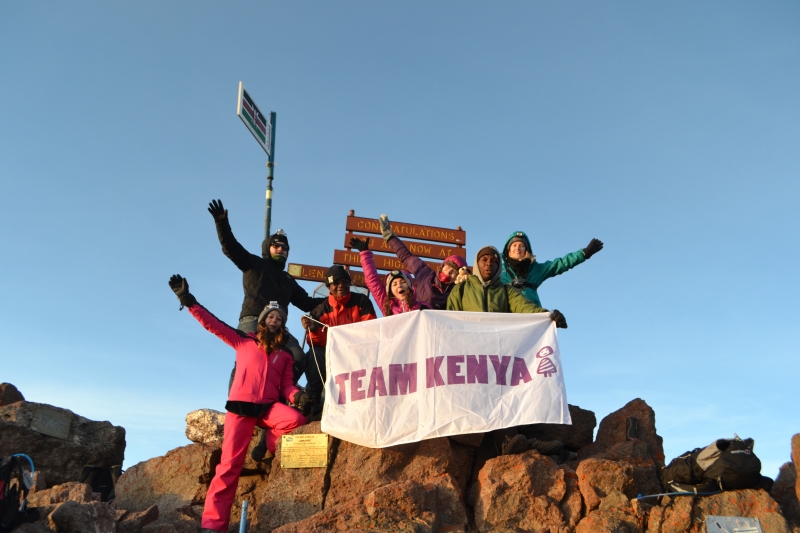
1. I’m Climbing Mount Kenya Graphic – Available here.
2. Mount Kenya archive video – Available here.
3. Mount Kenya Pictures – Available here.

Atlas Mountains Resources
1. Atlas Mountains archive video – Available here.
2. I’m Climbing Mount Toubkal Graphic – Available here.
3. Sahara Desert Picture – Available here.
4. Atlas Mountains Picture – Available here.



Kenya Cycle Challenge Resources
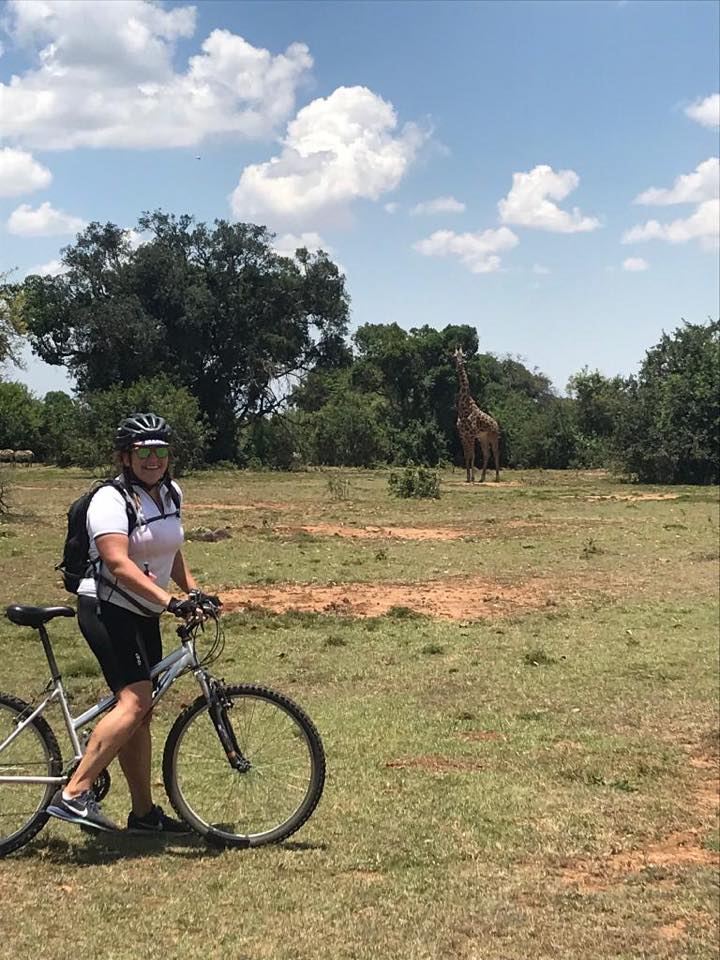
1. Kenya Cycle Challenge archive video – Available here.
2. Kenya Cycle Challenge blog stories – Available here and here.
3. Kenya Cycle Challenge Pictures – Available here and here.

Great North Run Resources
1. Great North Run Graphic – Available here.
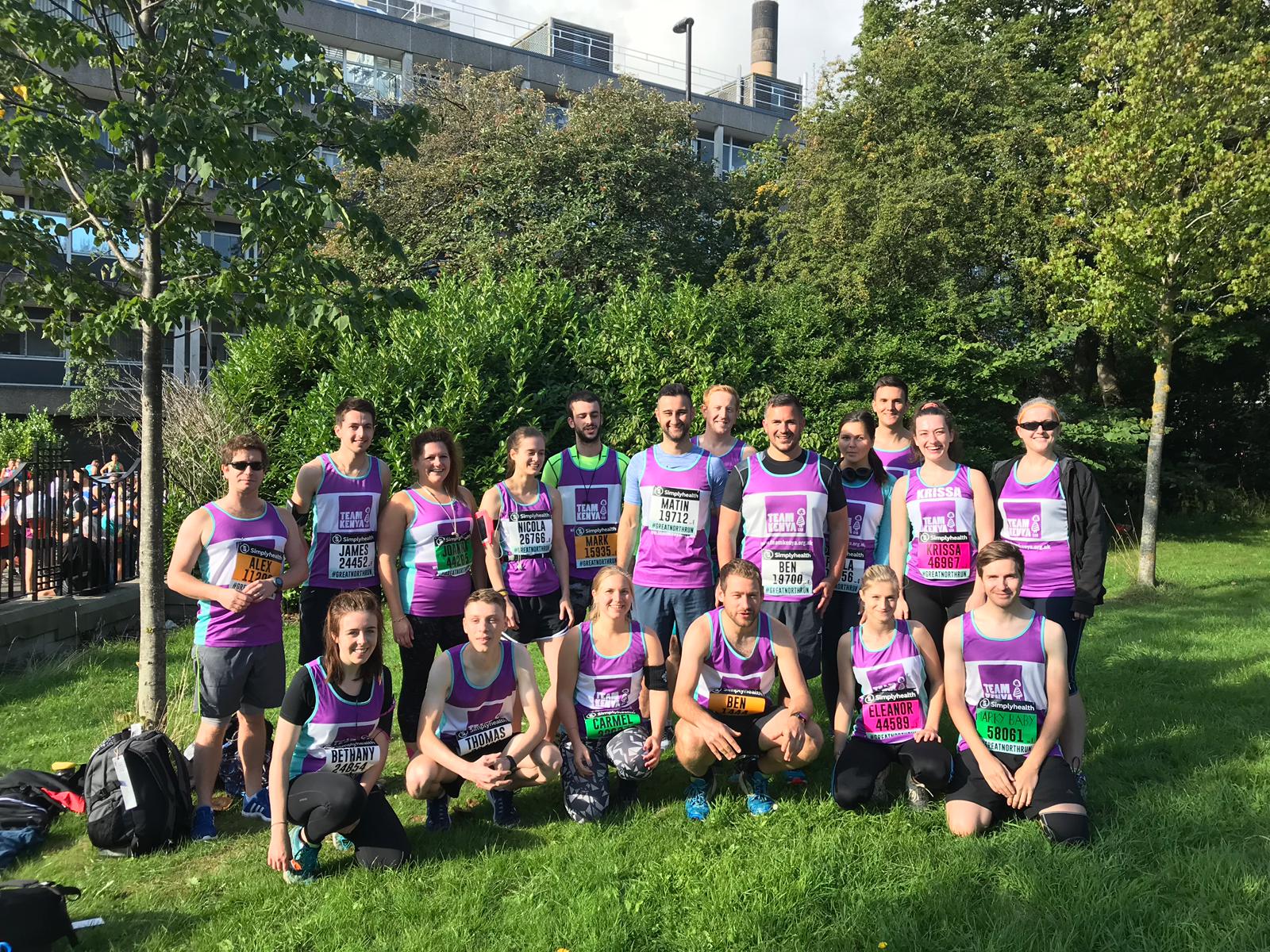
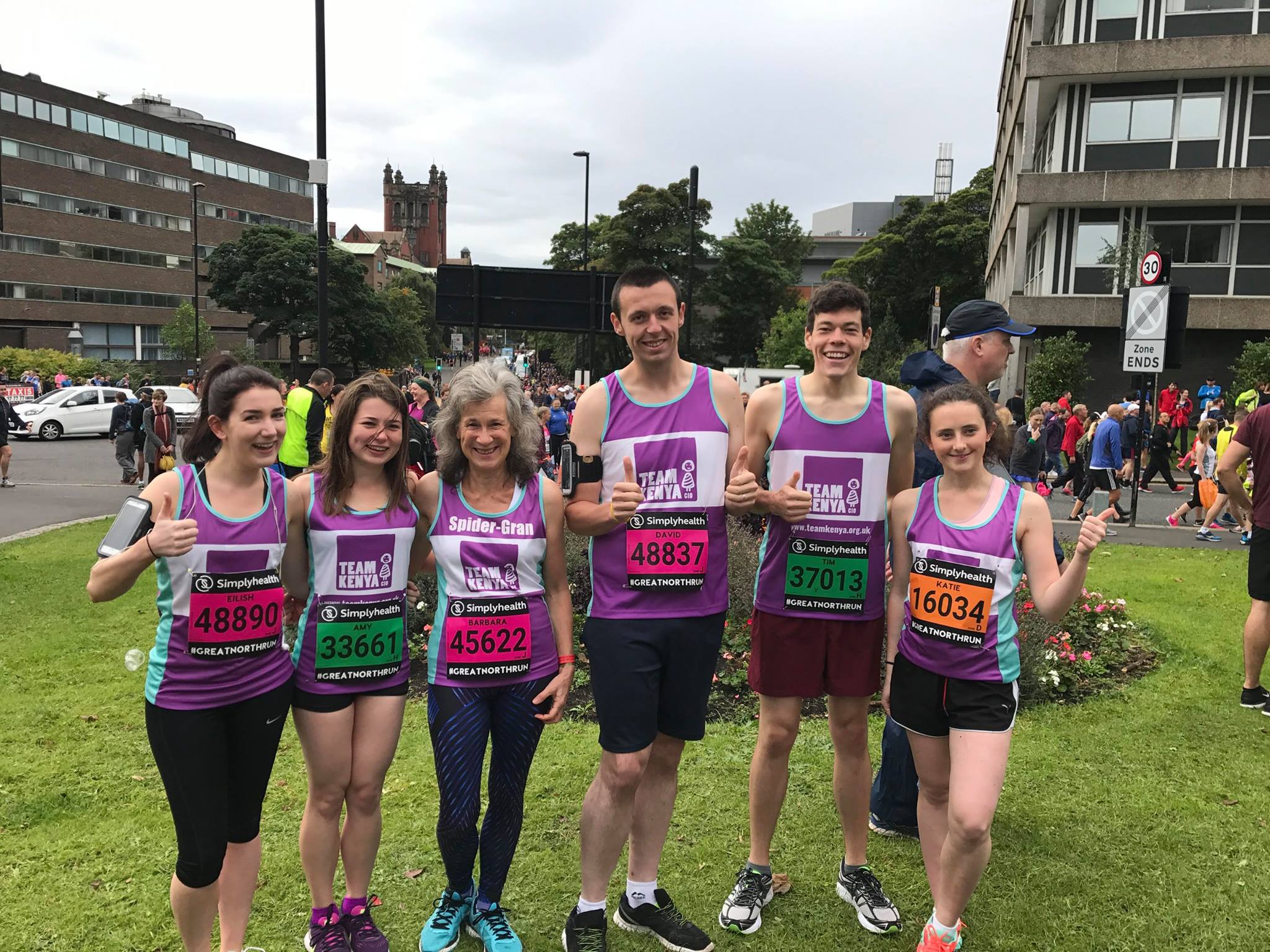
2. Great North Run Pictures – Available here and here.
3. Great North Run event video – Available here.

Hadrian’s Wall Walk Resources
1. Hadrian’s Wall Walk archive video – Available here.
2. Hadrian’s Wall Walk Pictures – Available here and here.